What must a California home seller disclose?
Sellers must disclose known material facts that affect a property’s value or desirability. The required forms and any exemptions depend on the property and type of transfer.
For many one-to-four-unit residential sales, the Transfer Disclosure Statement records the seller’s knowledge of the property’s condition. A separate Natural Hazard Disclosure addresses mapped hazards. Other disclosures may apply to the building’s age, location, improvements, or ownership arrangement.
Gather permits, inspection reports, repair records, and relevant notices early. Review the current requirements with the broker and, when needed, an attorney. A form exemption does not necessarily remove the duty to disclose a known material fact.
Sources: California DRE, Disclosures in Real Property Transactions; Civil Code section 1102; Civil Code section 1103.
How does a rural sale differ from a home in town?
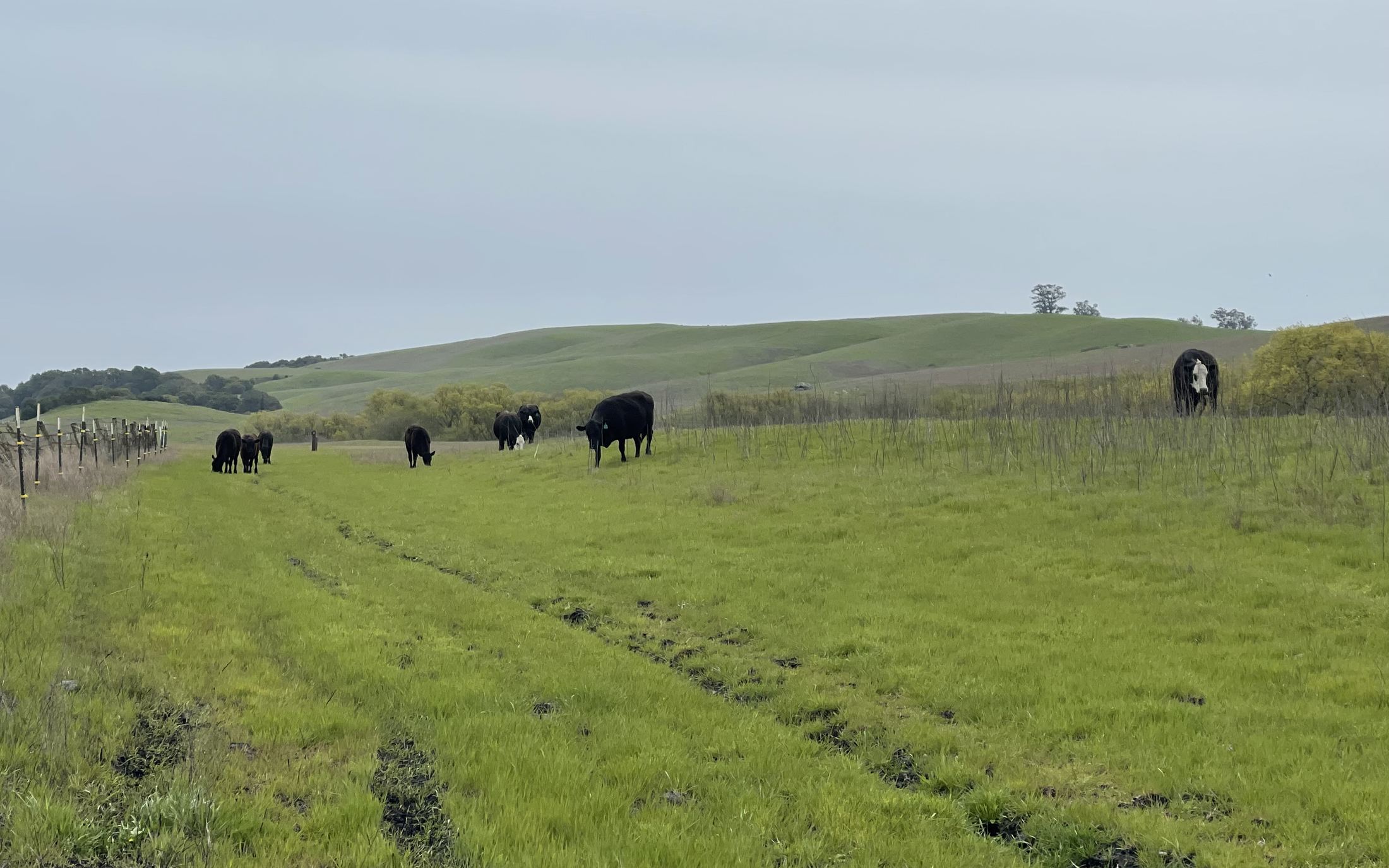
Rural property often requires more investigation of water, access, permitted uses, improvements, and financing. Comparable sales may be less similar and farther apart.
A house connected to municipal services and a parcel with a well, septic system, or shared road have different ownership costs and records. Confirm which systems exist, whether improvements are permitted, who maintains access, and what uses the zoning and any recorded contracts allow.
Gather available well and septic records, leases, title and easement documents, surveys, and an inventory of improvements. Qualified professionals can identify appropriate inspections and resolve technical questions. A fence or an old listing description is not proof of a legal boundary or permitted use.
Discuss financing with a lender familiar with the property type. Appraisal scope, loan terms, down payment, and timing vary. The marketing period also depends on the property, price, buyer demand, and current conditions.
Jim’s background is in dairy country west of Petaluma. His property record includes acreage homes, a 119-acre Penngrove listing, and a 274-acre Cloverdale listing.
Starting points: Permit Sonoma zoning codes; well and septic records; rural property checklist.
What does a Williamson Act contract mean when selling land?
A Williamson Act contract restricts a parcel to agricultural or compatible open-space uses in exchange for tax assessment based on those uses. The contract remains relevant when ownership changes.
Before marketing or buying contracted land, obtain the recorded agreement and confirm its status with the county. Ask what uses are permitted, whether it is in nonrenewal, and how the restrictions affect any proposed changes.
Do not assume the contract can be ended at closing. Nonrenewal and cancellation have different requirements and consequences. County program staff, an attorney, and a tax adviser can address the specific contract and transaction.
Sources: California Department of Conservation, Williamson Act program; Permit Sonoma agricultural preserves.
General information, not legal, tax, insurance, or lending advice. Confirm current requirements for the property with the relevant agency and qualified professionals.